Install THE RRR MODEL™
Add RRR to your home screen — works like an app, no app store needed. Opens offline; sending and signing in need internet.
Our story
From Lived Experience to Global Implementation
The Story Behind the RRR Model
Esther Peters | Author & Founder
The RRR Model — Reintegration, Rehabilitation, Reduces Reoffending — was born from lived experience, determination and the belief that people deserve a genuine opportunity to change their lives.
My journey began long before the model was written.
Having experienced the justice and corrections systems firsthand, I came to understand the challenges people face both inside prison and upon returning to their communities.
I saw people released with limited resources, unstable accommodation, little employment history and few practical opportunities to rebuild their lives.
I also saw the strengths, skills and potential within people who were too often defined by their past.
In 2016, I began researching a different way forward.
Between 2016 and 2019, I observed, researched and began structuring what would eventually become the RRR Model.
In 2019, I began testing its principles through real-life experience, including employment, responsibility, independence and rebuilding connections.
Following my release in 2020, the work continued.
With limited financial resources, transport and support, I understood the importance of having a practical pathway rather than simply being told to change.
Together with Levi Hetherington, I continued developing the model, supported by the knowledge, experience and contributions of many others — including people with lived experience and professionals from the justice, corrections, health and community sectors.
Over the following years, the model evolved through practical work, community relationships, employment opportunities and real-life implementation.
The RRR Model Today
The RRR Model is a structured 20-week framework built around four principles:
Learn. Earn. Save. Give Back.
It brings together practical learning, meaningful work, financial responsibility, accommodation pathways and community contribution.
The aim is not simply to reduce reoffending.
It is to help people build independence, strengthen families, contribute to communities and create opportunities for future generations.
Looking Ahead
From its beginnings in Aotearoa New Zealand, the RRR Model has developed into a framework designed for implementation by communities, organisations, employers and property owners nationally and internationally.
The RRR Model is not about labels, backgrounds or where someone has come from.
It is about what people can achieve when given the opportunity, tools and responsibility to move forward.
The Current System — Used for the Betterment of the People.
Esther Peters
Esther Peters
Author & Founder — The RRR Model
The RRR Model Global Implementation Tāpui Limited
Our Founders and the People Behind the Model
Esther Peters
Author & Founder — The RRR Model
Levi Hetherington
Co-Developer of The RRR Model
With acknowledgement to the late Pat Magill, the Corrections officers and women involved in the model’s early development, and the many people who have worked, volunteered, contributed and supported The RRR Model from 2021 through to 8 November 2026.
Our Team
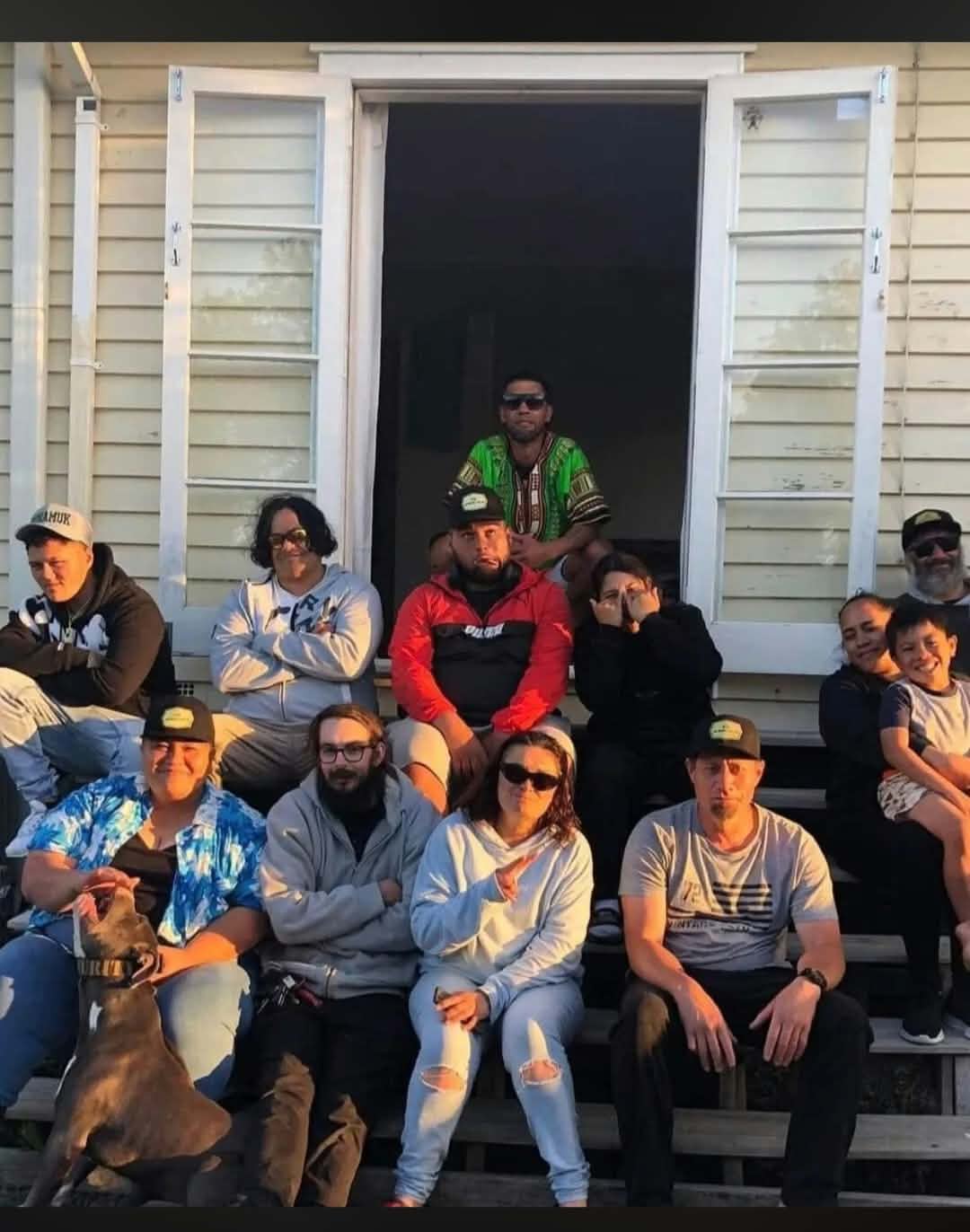
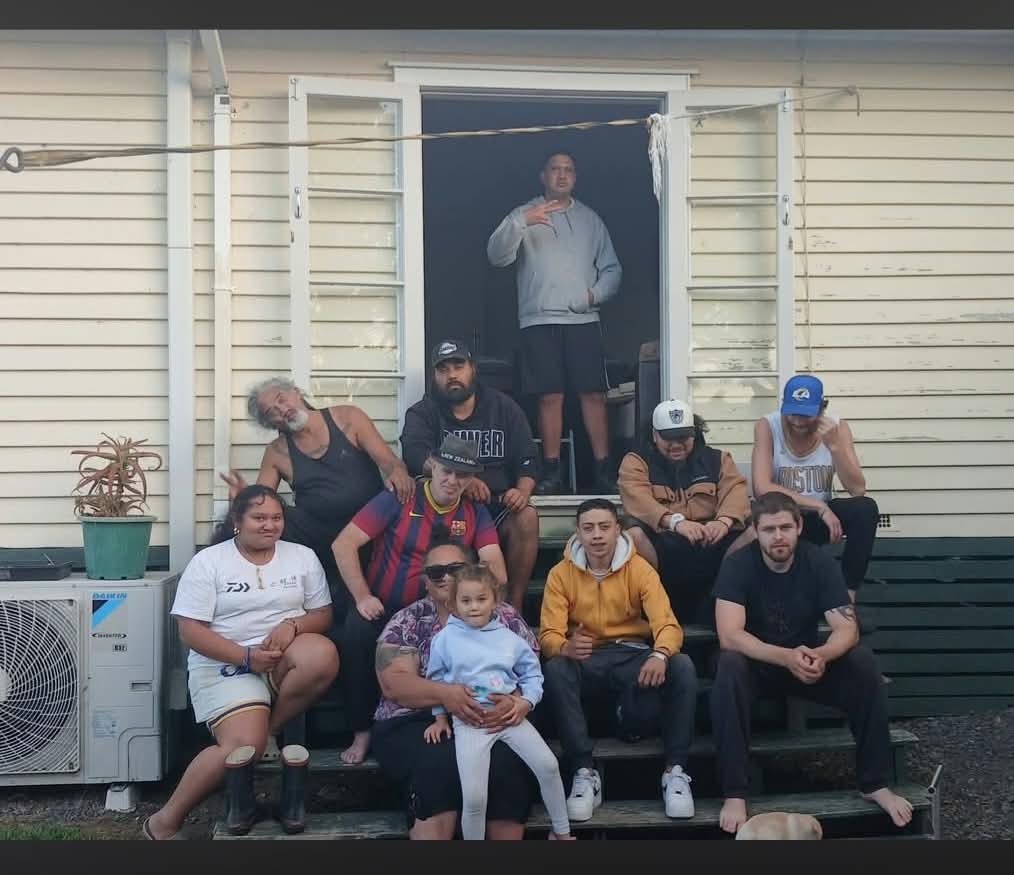
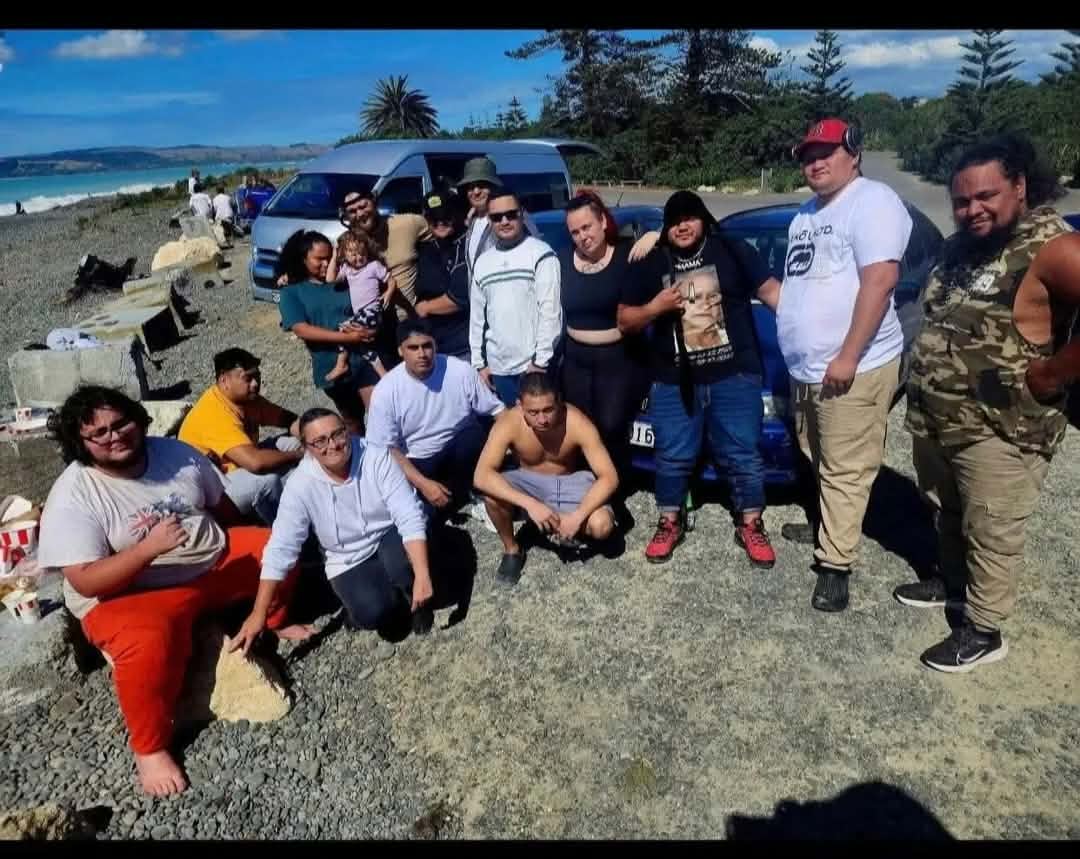
The people who have lived it, worked it and built it — participants, whānau, trainers, employers and supporters across Aotearoa.
A Tribute to the Late Pat Magill
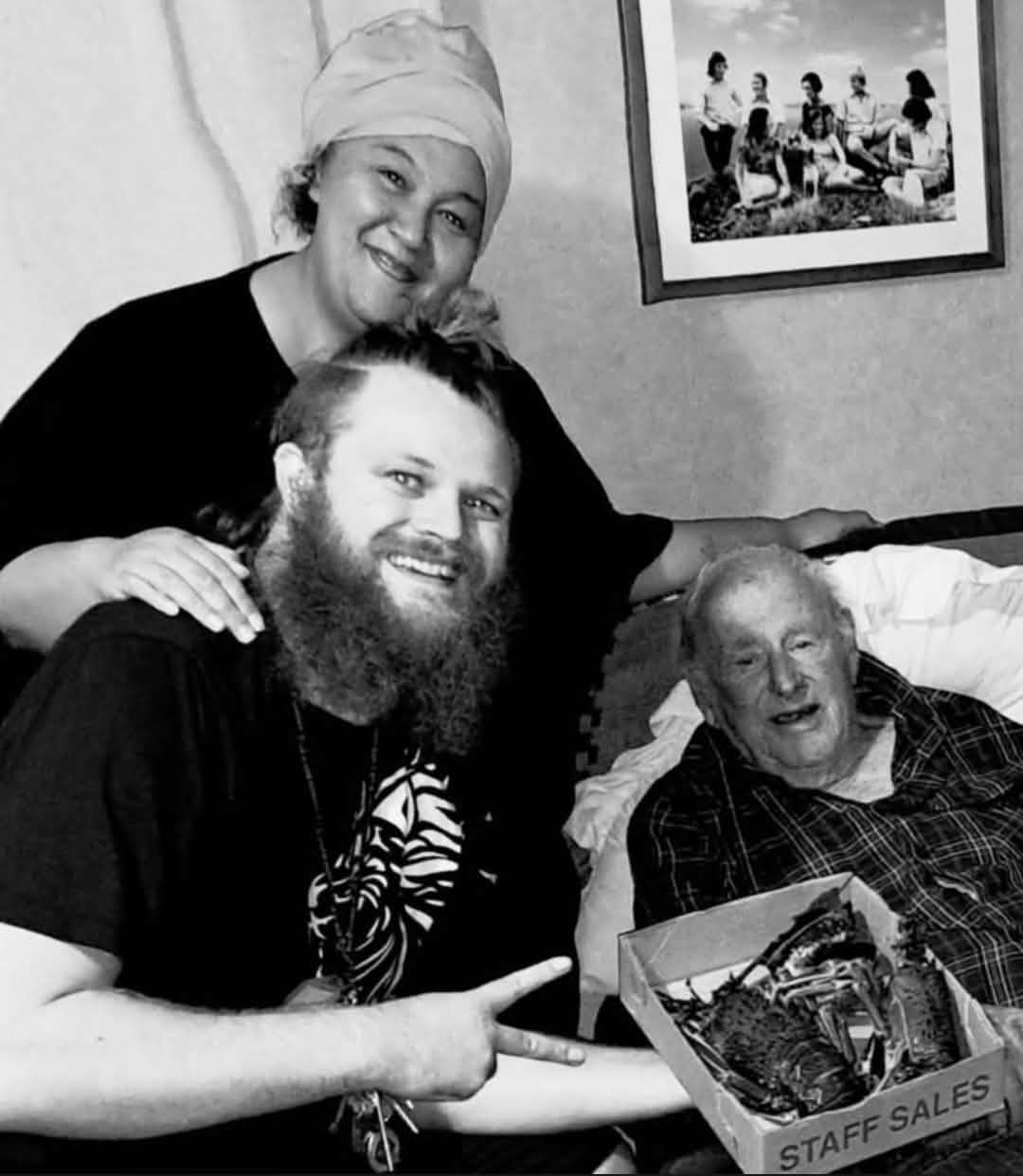
The late Pat Magill recognised the importance of the work Esther Peters and Levi Hetherington were undertaking.
Esther recalls Pat saying:
“Esther and Levi — you both should be so proud. I have been trying to do what you both have accomplished in two years in all my 96 years of living.”
His encouragement reflected a shared belief in what is possible when people are given opportunities to rebuild their lives.
Build an individual. Build a family. Build better communities.
Where It Began — Auckland Women’s Regional Corrections Facility
The foundations of the model were laid working alongside Corrections officers and women inside the prison, bringing people with lived experience and those in positions of authority together — not against one another, but towards a shared purpose.
The RRR Model was designed to operate beyond the prison walls, connecting rehabilitation with the realities of everyday life.
From Victim to Offender to Building a Solution
The RRR Model recognises that people must be accountable for the harm they cause.
It also recognises that meaningful change requires more than words.
The model seeks to help participants:
- — Understand the consequences of their decisions and offending.
- — Take responsibility for their behaviour.
- — Work towards paying reparation to victims where applicable.
- — Build the skills and discipline needed for independence.
- — Learn the value of time, energy, effort and money.
- — Reconnect with positive values, relationships and communities.
- — Develop stable employment, savings and a future beyond offending.
Our objective is to prevent further victimisation while helping individuals become accountable, productive and less dependent on long-term support.
The Value of Working for What You Need and Want
Esther Peters believes:
“If everything is constantly given to people for free, without them learning to work physically hard for what they need and want, how will that person learn to recognise and appreciate its value?”
This belief sits at the heart of The RRR Model.
We believe in combining opportunity with responsibility, support with accountability, and rehabilitation with practical achievement.
We do not believe that people should be left without help. We believe that help should build the ability to stand independently.
Lived Experience and Authority Working Together
One of the foundations of The RRR Model is cooperation.
People with lived experience understand many of the barriers, temptations and realities faced by those entering or leaving the justice system.
Corrections, employers, government agencies, community organisations and experienced professionals bring other essential skills and responsibilities.
When both sides work together, rather than against one another, better solutions become possible.
The RRR Model was developed to demonstrate what that cooperation could look like in practice.
Rebuilding New Zealand’s Productive Workforce
Some of New Zealand’s most experienced physical workers are approaching retirement.
Their knowledge, work ethic, skills and experience are valuable assets that should be passed on to future generations.
The RRR Model aims to connect people who need opportunities with industries that need workers.
Our priority sectors include:
- — Farming and agricultural production.
- — Horticulture and food production.
- — Waste management, recycling and environmental services.
- — Construction and skilled trades.
- — Manufacturing and industrial processing.
- — Property maintenance and restoration.
- — Forestry and other physically demanding industries.
Our goal is to help New Zealand produce more, employ more local people and develop the next generation of practical workers.
Proof of Concept — Hawke’s Bay
During The RRR Model’s practical delivery in Hawke’s Bay, participants travelled from different parts of New Zealand to take up demanding employment opportunities.
One example was work in the fellmongery industry with Progressive Leathers in Whakatu.
This was physically challenging work requiring commitment, punctuality, discipline, endurance and teamwork.
Participants were exposed to the reality of earning money through their own time, energy and effort.
The work reinforced a practical principle:
TIME + ENERGY = COST.
Every dollar earned represents time, effort and personal commitment.
When people begin to understand that relationship, they can begin to appreciate the value of money, savings, possessions, employment and independence.
The RRR Model seeks to turn that understanding into lasting changes in behaviour.
We want to see communities where people have opportunities to:
Learn. Work. Earn. Save. Give Back. Progress.
We want to see productive farms, employment hubs, trades training, stronger families and communities working together.
We want to see fewer victims, fewer people returning to prison, and more people contributing positively to society.
Building individuals. Strengthening families. Rebuilding communities.
No More Prisons — Build Better Communities.
The RRR Model — developed in New Zealand, with a vision for communities around the world.